
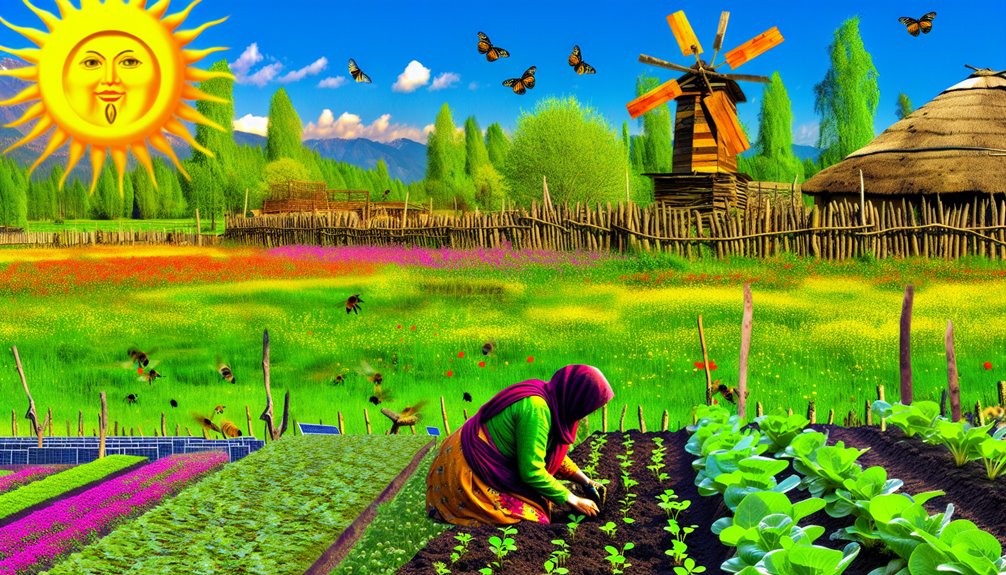
Sustainable Farming Practices for a Better Future
Sustainable farming practices are crucial for ensuring a healthier planet and food system. By implementing methods like crop rotation and organic farming, you can significantly improve soil health and biodiversity. However, these practices also require a shift in mindset and approach that goes beyond traditional methods. As you explore these techniques, you’ll discover how they can create resilient agricultural systems that withstand climate challenges. What steps can you take to embrace this future? Understanding Sustainable Farming As you explore sustainable farming, you’ll discover it’s more than just a method—it’s a holistic approach to agriculture that balances environmental health, economic profitability, and social equity. You’ll see that sustainable practices focus on preserving natural resources, reducing chemical inputs, and fostering biodiversity. This means using techniques that protect soil health, like composting and minimal tillage, which enhance nutrient retention and reduce erosion. You’ll also learn about the importance of water conservation and energy efficiency, ensuring your farming operations aren’t just productive but also responsible. Crop Rotation and Diversity Crop rotation and diversity are key components of sustainable farming that enhance soil health and crop productivity. By alternating different crops in your fields, you can break pest and disease cycles, reducing the need for chemical interventions. This practice also allows different plants to utilize nutrients in various ways, promoting a balanced soil ecosystem. Incorporating a mix of crops further boosts resilience against climate fluctuations and improves the overall biodiversity of your farm. It’s not just about planting; it’s about creating a harmonious environment where plants can thrive together. As you implement these practices, you’ll notice healthier soil, increased yields, and a more vibrant farm ecosystem. Embrace crop rotation and diversity for a sustainable future! Organic Farming Techniques While some might think organic farming is just about avoiding chemicals, it actually involves a holistic approach to cultivating crops that prioritizes soil health and ecosystem balance. You can start by using natural fertilizers like compost and manure to enrich the soil. Crop rotation helps prevent nutrient depletion and pest build-up. Incorporate cover crops to enhance soil structure and increase biodiversity. Encourage beneficial insects by planting native flowers, which can help control pests naturally. Manual weeding or mulching can keep weeds at bay without chemicals. Additionally, you can use organic seeds and select disease-resistant varieties to boost your yields. By implementing these techniques, you’ll not only grow healthier crops but also contribute to a more sustainable agricultural system. Agroforestry: A Synergistic Approach Integrating trees and shrubs into your farming system can significantly enhance sustainability and productivity. This practice, known as agroforestry, allows you to diversify your crops, improve soil health, and boost biodiversity on your farm. By planting trees alongside your crops, you create a microclimate that helps protect plants from harsh weather conditions while providing shade and windbreaks. Additionally, trees can enhance nutrient cycling, as their deep roots access nutrients unavailable to shallow-rooted crops. You can also benefit financially by producing timber, fruits, or nuts, creating multiple income streams. Embracing agroforestry not only promotes ecological balance but also helps you build resilience against pests and diseases, ultimately leading to a more sustainable and profitable farming future. Water Conservation Practices As water scarcity becomes a growing concern, implementing effective water conservation practices is crucial for sustainable farming. Start by using efficient irrigation systems like drip or sprinkler systems that target plant roots directly, minimizing evaporation. You can also schedule watering during cooler hours to reduce water loss. Rainwater harvesting is another great option; capturing rainwater can supplement your irrigation needs. Additionally, consider planting drought-resistant crops that require less water, and mulch around your plants to retain moisture in the soil. Regularly check for leaks in your irrigation systems to prevent water waste. Finally, educating your team about water-efficient practices can foster a culture of conservation on your farm. Soil Health Management Water conservation practices lay the groundwork for another vital aspect of sustainable farming: soil health management. Healthy soil is essential for crop productivity and environmental sustainability. By focusing on soil health, you can improve nutrient availability, enhance water retention, and support biodiversity. Here are some key practices to consider: Practice Benefit Frequency Cover Cropping Reduces erosion and improves soil structure Seasonal Crop Rotation Prevents pest build-up and improves nutrient cycling Annual Minimal Tillage Enhances soil aeration and reduces compaction Ongoing Implementing these practices will not only sustain your farm but also contribute to a healthier ecosystem for future generations. Embrace soil health management to foster a thriving agricultural environment. Reducing Waste and Enhancing Efficiency To achieve a truly sustainable farming operation, you must focus on reducing waste and enhancing efficiency. Start by analyzing your resource use—water, energy, and materials. Implement precision farming techniques, like GPS-guided equipment, to optimize input application and minimize excess. You can also reduce food waste by improving your harvesting techniques and ensuring timely distribution to markets. Consider composting organic waste to return nutrients to the soil, thus reducing reliance on synthetic fertilizers. Collaborating with local suppliers can cut transportation costs and lower your carbon footprint. Lastly, regularly monitoring your operations will help identify inefficiencies and areas for improvement. By taking these steps, you’ll not only boost your farm’s productivity but also contribute to a more sustainable future for agriculture. Frequently Asked Questions How Can Sustainable Farming Impact Local Economies and Communities? Sustainable farming can significantly boost local economies and communities. When you support local farmers, you’re helping create jobs and keep money circulating within your area. These practices often lead to better-quality produce, which can attract more customers. By promoting local markets, you’re fostering a sense of community and encouraging sustainable consumption. Plus, healthier soil and ecosystems can enhance the overall quality of life, benefiting everyone in the long run. What Role Does Technology Play in Sustainable Farming Practices? Technology plays a crucial role in enhancing sustainable farming practices. You can use precision agriculture tools to optimize resources, monitor soil health, and track crop growth. Drones help you assess fields quickly, while data analytics allows you to make informed decisions. By