
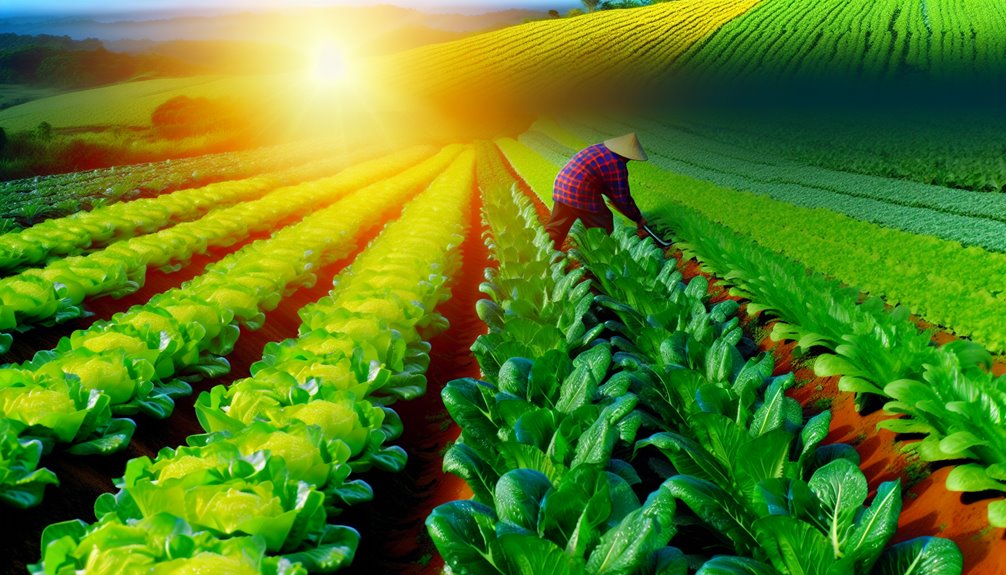
Healthy Crops Grown With Care and Expertise
When it comes to growing healthy crops, understanding soil health is crucial. Without it, even the best farming practices can fall short. You might wonder how sustainable methods, like crop rotation and organic fertilizers, contribute to this balance. As you explore these practices, consider how they not only enhance crop yield but also support the wider ecosystem. The journey into sustainable agriculture is just beginning, and the implications are far-reaching. The Importance of Soil Health Soil health is crucial for growing healthy crops, as it directly impacts their growth and productivity. When you maintain rich, nutrient-dense soil, your crops thrive and yield better results. Healthy soil supports a diverse ecosystem, promoting beneficial microorganisms that break down organic matter and supply nutrients. You’ll find that proper soil structure improves water retention and drainage, making it easier for roots to access what they need. Testing your soil regularly helps you understand its composition and identify any deficiencies, allowing you to adjust your management practices accordingly. By prioritizing soil health, you’re not just boosting your current harvest; you’re also setting the stage for future crops, ensuring sustainability and vitality in your farming endeavors. Sustainable Farming Practices While adopting sustainable farming practices may seem challenging, the benefits far outweigh the efforts. You can enhance soil health, conserve water, and promote biodiversity by implementing strategies like crop rotation, cover cropping, and reduced tillage. These methods not only improve your yields but also protect the environment. By using organic fertilizers and natural pest control, you minimize chemical inputs, ensuring healthier crops and a safer ecosystem. Utilizing native plants and permaculture techniques can further create a resilient farm system that withstands climate fluctuations. With sustainable practices, you’re investing in the future of agriculture while maintaining profitability. Embrace these approaches, and you’ll find that nurturing the land leads to better harvests and a thriving community. Integrated Pest Management How can you effectively control pests without harming your crops or the environment? Integrated Pest Management (IPM) is the answer. IPM combines various strategies to keep pests at bay while minimizing chemical use. Start by monitoring your crops regularly to identify pest activity early. You can use traps or visual inspections to track their presence. Then, apply cultural practices like crop rotation and maintaining healthy soil to create an unfavorable environment for pests. If necessary, introduce beneficial insects that prey on harmful pests. When chemical controls are needed, opt for targeted, eco-friendly options. By implementing IPM, you’ll not only protect your crops but also promote a balanced ecosystem, ensuring a sustainable approach to pest management. Crop Rotation and Diversity Crop rotation and diversity are powerful tools for maintaining healthy crops and enhancing soil vitality. By alternating the types of crops you plant in a specific area, you can reduce pest populations and prevent diseases. This practice helps break the life cycles of harmful organisms, minimizing the need for chemical interventions. Additionally, planting diverse crops enriches the soil by promoting a variety of root structures and nutrient uptake. You’ll notice improved soil structure and fertility, which leads to stronger, more resilient plants. Embracing crop diversity also attracts beneficial insects, creating a balanced ecosystem in your fields. So, consider implementing a rotation plan that encourages a variety of crops; your soil and crops will thank you for it! Organic Fertilizers and Amendments Maintaining healthy crops goes hand in hand with the use of organic fertilizers and amendments. These natural inputs enrich your soil, providing essential nutrients without the harmful side effects of synthetic options. By incorporating compost, manure, or green manures, you boost soil fertility and enhance microbial activity. You’ll notice improved plant growth and resilience against pests and diseases. Using organic fertilizers also helps maintain soil structure, promoting better water retention and drainage. You can tailor your amendments based on soil tests, ensuring your crops receive exactly what they need. Additionally, organic practices contribute to sustainable farming, supporting the ecosystem and long-term soil health. Embrace organic fertilizers and amendments to cultivate robust, thriving crops while protecting the environment. Water Conservation Techniques Although water is essential for healthy crops, conserving it’s equally important for sustainable farming. You can implement several effective water conservation techniques to optimize usage and reduce waste. Start by using drip irrigation systems, which deliver water directly to the plant roots, minimizing evaporation. Mulching around your crops helps retain soil moisture and reduces the frequency of watering. Consider planting drought-resistant crop varieties that require less water, making your farming more resilient. You should also schedule irrigation during cooler parts of the day to lessen evaporation. Finally, collecting rainwater in barrels can provide a sustainable water source. By adopting these techniques, you’ll not only save water but also promote healthier, more productive crops. The Role of Technology in Modern Agriculture Modern agriculture increasingly relies on technology to enhance efficiency and productivity. You can leverage precision farming tools, like GPS and drones, to monitor crop health and optimize resources. These innovations help you apply fertilizers and pesticides more effectively, reducing waste and minimizing environmental impact. Additionally, data analytics allows you to predict weather patterns and make informed decisions about planting and harvesting times. Smart irrigation systems can adjust water usage based on real-time soil conditions, ensuring your crops receive just the right amount. By embracing automation, such as robotic harvesters, you can alleviate labor shortages and improve harvest efficiency. Ultimately, integrating technology into your farming practices empowers you to grow healthier crops while maximizing your yields. Building Community and Knowledge Sharing Building a strong community around agriculture can significantly enhance your farming practices and crop health. By connecting with fellow farmers, you can exchange valuable insights and experiences. Attend local workshops or join online forums to share tips and challenges. Here’s a quick overview of the benefits of community engagement: Benefits Description Knowledge Exchange Learn from others’ successes and failures. Networking Opportunities Build relationships that can lead to collaborations. Resource Sharing Access tools and information you might lack. Support System Find encouragement during tough times. Engaging with your community fosters