
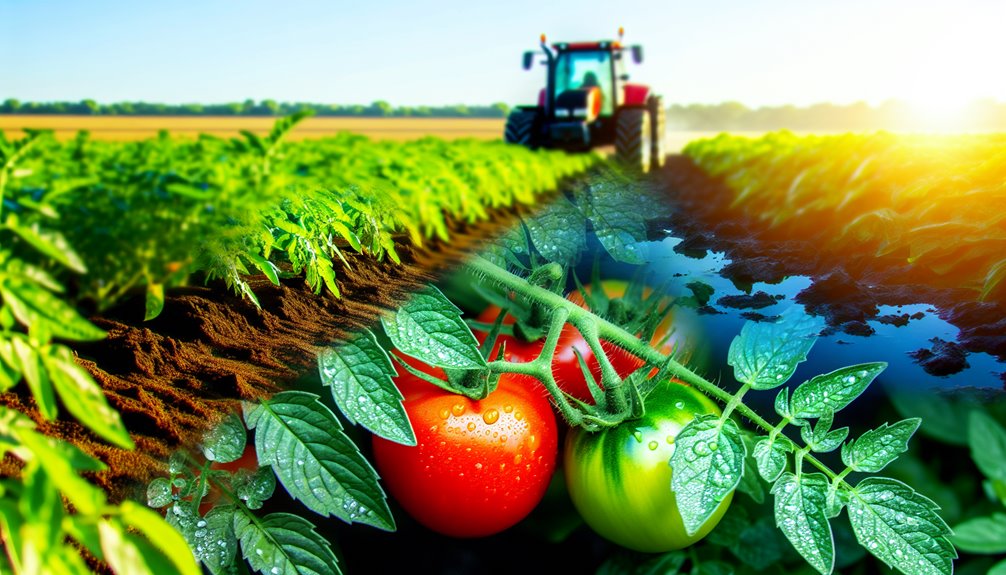
High-Quality Agriculture Products for Modern Farming
In modern farming, high-quality agriculture products play a crucial role in enhancing productivity and sustainability. These innovations, from advanced seed varieties to precision farming techniques, can significantly impact your crop yields and environmental footprint. As you explore the latest trends and technologies, you’ll find that integrating these practices can lead to healthier crops and improved resource management. But what should you prioritize to achieve the best results? The Role of Advanced Seed Varieties in Crop Production As you explore the world of agriculture, you’ll find that advanced seed varieties play a crucial role in enhancing crop production. These seeds are engineered for resilience, allowing them to thrive in diverse conditions. You’ll notice that they often yield higher outputs compared to traditional varieties, which means you can maximize your harvest. Additionally, many advanced seeds are designed to resist pests and diseases, reducing your reliance on chemical treatments. This not only boosts your productivity but also promotes environmental health. By selecting the right advanced seed varieties, you can adapt to changing climate conditions and ensure food security for the future. Investing in these seeds is a smart step toward achieving high-quality agriculture products that meet modern demands. Precision Farming: Enhancing Efficiency and Sustainability Advanced seed varieties have set the stage for innovative farming techniques, and precision farming takes this a step further by harnessing technology to optimize agricultural practices. By utilizing GPS, drones, and data analytics, you can monitor crop health and soil conditions in real time. This approach allows you to apply water, fertilizers, and pesticides only where needed, reducing waste and environmental impact. You’ll find that precision farming not only boosts yield but also enhances sustainability by conserving resources. As you adopt these practices, you’ll streamline operations, cut costs, and improve overall farm productivity. Implementing precision farming techniques positions you at the forefront of modern agriculture, ensuring that you meet market demands while promoting responsible stewardship of the land. Innovative Fertilizers and Soil Amendments for Optimal Growth While traditional fertilizers have long been a staple in agriculture, innovative fertilizers and soil amendments are now revolutionizing the way you nurture your crops. These modern solutions enhance nutrient availability and improve soil health, ultimately boosting your yields. You can choose from a variety of options, including biochar, compost teas, and slow-release granules, each designed to cater to specific crop needs. Here’s a quick comparison of these innovative products: Type Benefits Biochar Increases soil fertility and retention Compost Tea Enhances microbial activity Slow-Release Granules Provides nutrients over time The Impact of Biopesticides on Pest Management Biopesticides have emerged as a game-changer in pest management, offering a more sustainable approach to protecting your crops. These natural alternatives, derived from plants, bacteria, and minerals, effectively target pests while minimizing harm to beneficial insects and the environment. By using biopesticides, you can reduce your reliance on synthetic chemicals, promoting healthier ecosystems around your farm. With their specific action mechanisms, biopesticides can disrupt pest life cycles and enhance your overall pest management strategies. They’re often less toxic and biodegradable, which means you won’t have to worry about long-term residues on your crops. Incorporating biopesticides into your farming practices not only ensures crop safety but also aligns with modern consumers’ preferences for environmentally friendly products. Sustainable Irrigation Techniques for Water Conservation As water scarcity becomes a growing concern, adopting sustainable irrigation techniques is crucial for conserving this vital resource. You can start by implementing drip irrigation, which delivers water directly to plant roots, minimizing evaporation and runoff. Consider using rainwater harvesting systems to collect and store rain for irrigation, reducing dependence on groundwater. Mulching can help retain soil moisture, cutting down on the frequency of watering. Additionally, scheduling irrigation during cooler parts of the day can reduce water loss through evaporation. You might also explore soil moisture sensors to determine when your crops truly need water, ensuring efficient usage. The Importance of Technology in Modern Agriculture Equipment In an era where efficiency and productivity are paramount, technology plays a vital role in transforming modern agriculture equipment. You can harness innovations like precision farming, which allows you to monitor crop health and optimize inputs with data-driven insights. Drones and sensors provide real-time information, enabling you to make informed decisions that enhance yields. Automated machinery, such as robotic harvesters, reduces labor costs and increases efficiency, letting you focus on other essential tasks. Additionally, smart irrigation systems ensure water is used effectively, promoting sustainability. By embracing these technologies, you’re not just improving your operations; you’re also contributing to a more sustainable future in agriculture. Investing in modern tools can lead to better quality products and higher profits for your farm. Collaboration and Knowledge Sharing in the Agricultural Community While many farmers focus on individual success, collaboration and knowledge sharing within the agricultural community can lead to greater advancements for all. By connecting with fellow farmers, you can exchange valuable insights and best practices that enhance productivity and sustainability. Attending workshops and local meetings helps you stay informed about new techniques and innovations. Utilizing social media platforms and forums allows you to share experiences and learn from others who face similar challenges. When you work together, you’re not just improving your own farm but also contributing to a more resilient agricultural sector. Embracing collaboration fosters a sense of community and encourages collective problem-solving, ultimately paving the way for high-quality agricultural products that benefit everyone involved. Frequently Asked Questions What Are the Benefits of Organic Farming Versus Conventional Farming? When comparing organic farming to conventional farming, you’ll notice several key benefits. Organic farming enhances soil health, promoting biodiversity and reducing pollution. It often leads to healthier produce by avoiding synthetic pesticides and fertilizers. You’ll also find that organic practices can improve water quality by minimizing runoff. Additionally, consumers are increasingly seeking organic products, which can lead to higher market prices for your crops. How Can Consumers Identify High-Quality Agricultural Products? To identify high-quality agricultural products, you should look for labels that indicate organic certification or local sourcing. Check for freshness by examining